Wellness Wednesday No. 35 — Better Posture Starts With Understanding Your Spine

Better Posture Starts With Understanding Your Spine
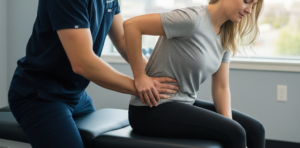
This week, Dr. Shane Davidson answers one of the most common questions he hears: "How do I improve my posture?" His answer starts with a different question: "What does your spine look like?"
Pulling your shoulders back, changing your chair, or reminding yourself to sit straighter may change how you hold yourself temporarily. But posture can also be influenced by how your spine moves and functions. That is why understanding what is happening underneath can be an important part of the conversation.
Dr. Shane uses a simple car analogy. Imagine repeatedly rotating your tires because they keep wearing unevenly, while never checking whether something in the steering or suspension is contributing to the problem.
Posture can be approached in a similar way. Instead of focusing only on how the body looks from the outside, it can be helpful to understand how the body is moving and functioning underneath.
- Posture cues can be helpful: sitting taller and being aware of your position can still be useful habits.
- Movement matters too: how comfortably and efficiently your spine moves can influence how you naturally hold yourself.
- Daily life adds up: sitting, repetitive movements, previous injuries, work demands, and normal aging can all affect movement over time.
- Start with an individual assessment: understanding your own movement and spinal function can help determine what type of approach may be appropriate for you.
Dr. Shane Davidson explains why improving posture may involve more than simply forcing yourself to sit straighter—and why understanding the structure and function underneath can be a useful place to start.
How are you moving?
Notice whether certain positions or movements feel restricted, uncomfortable, or difficult.
What are your daily habits?
Workstations, phones, driving, sitting, lifting, and repetitive tasks can influence how you use your body.
Are you only correcting the appearance?
Constantly pulling your shoulders back may not tell you why you naturally return to the same position.
Have you been assessed?
A personalized evaluation can provide more useful information than guessing which posture exercise you need.
Instead of only asking, "What does my posture look like?" ask yourself: "Do I understand how my spine is moving and functioning underneath?" Sometimes understanding the foundation can help you make better decisions about what to work on next.